When considering a Toy Pom puppy, it's essential to understand this breed's unique characteristics and care requirements. Toy Pom puppies, a mix between Pomeranians and smaller dog breeds, are known for their vibrant personalities and fluffy coats. According to Dr. Sarah Jennings, a renowned veterinarian specializing in toy breeds, "Toy Pom puppies are delightful companions but require attentive care to thrive."
These tiny dogs, often weighing around 3 to 7 pounds, need proper nutrition and regular grooming. Their playful nature can be quite charming, yet it can also lead to challenging behaviors if not managed correctly. Owners must be prepared for a lively pet, always ready for interactive play.
Additionally, socialization is crucial for Toy Pom puppies. They can become shy or overly protective without proper exposure to various environments. This aspect of their upbringing needs careful attention. Without it, you might face behavioral issues later on. Caring for a Toy Pom puppy is not just about love; it's a commitment to understanding their specific needs.
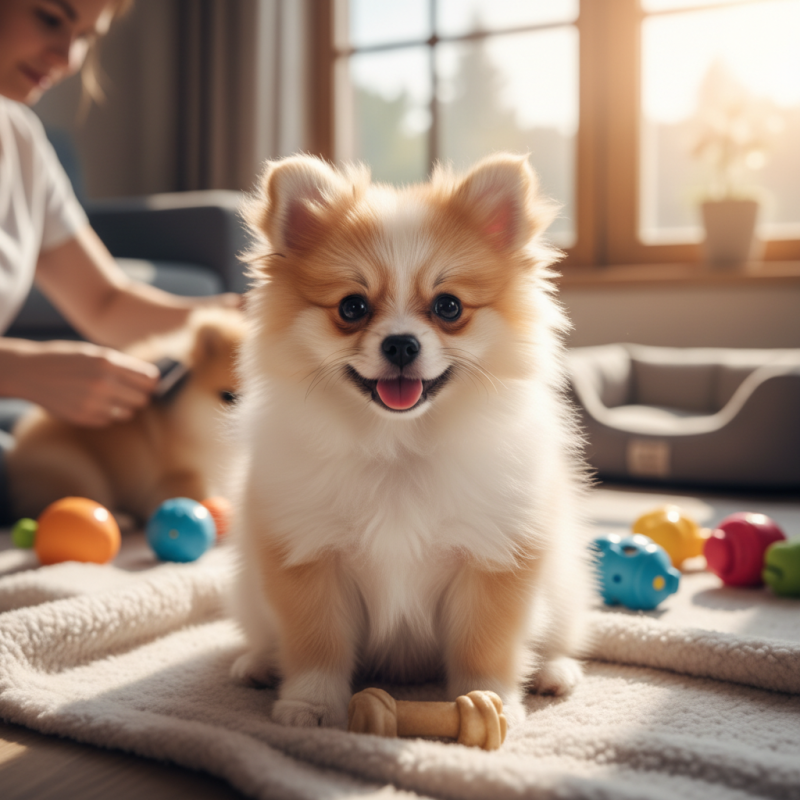
What is a Toy Pom Puppy?
A Toy Pom puppy is a small breed that combines the characteristics of Pomeranians and toy breeds. They typically weigh between 3 to 7 pounds and stand about 7 to 12 inches tall. Their fluffy coats and vibrant personalities make them popular companions. According to the American Kennel Club, Pomeranians rank 18th in popularity among dog breeds, reflecting their widespread appeal.
Caring for a Toy Pom requires attention to their health and grooming needs. Regular brushings are essential to prevent matting in their dense fur. Due to their small size, they can be prone to dental issues, including tooth decay. A study from the Veterinary Oral Health Council emphasizes the importance of maintaining dental hygiene, especially for smaller breeds like the Toy Pom.
Despite their adorable nature, Toy Poms can exhibit stubborn behavior. Training requires patience and consistency. It’s common for them to develop separation anxiety, given their close bond with owners. Understanding this characteristic can help owners provide appropriate support to ease their pup's anxiety during alone time. Paying attention to these traits is essential for ensuring a happy and healthy life for your Toy Pom.
Characteristics and Traits of Toy Pom Puppies
Toy Pom puppies, a delightful mix of Pomeranians and Toy breeds, showcase vibrant traits that captivate dog lovers. These small, fluffy companions typically weigh around 3 to 7 pounds. Their double coat shines with various colors, enhancing their adorable appearance. They possess a playful and spirited nature, making them great for families or singles alike. These puppies often bond closely with their owners. They thrive on attention and affection.
When caring for a Toy Pom, consistent grooming is essential. Their dense fur can mat easily, leading to discomfort. Regular brushing helps maintain a healthy coat. These puppies are energetic and require daily playtime. A short walk or playful indoor activities will keep them engaged. Toy Poms can sometimes be stubborn, requiring patience during training.
Socialization is crucial, as it helps them become well-adjusted adults. Health is another consideration. Genetic issues like patellar luxation may arise. Regular vet visits can help catch problems early. Providing a balanced diet also contributes to their well-being. Keeping an eye on their dental health is vital, as small breeds may face tooth-related issues. Reflecting on their needs ensures a happy, thriving Toy Pom.
Proper Nutrition for Your Toy Pom Puppy
Proper nutrition for your Toy Pom puppy is crucial for their growth and health. These little dogs thrive on a balanced diet rich in protein, healthy fats, and essential vitamins. Quality dry kibble is often recommended, but wet food can also be included for variety. It's important to adjust the food according to their age, weight, and activity level. Small portions throughout the day can prevent overfeeding and obesity.
Tip: Consult your vet for personalized feeding recommendations. They can help you choose the best diet tailored to your puppy’s specific needs. Always provide fresh water to keep them hydrated.
Monitor your puppy’s weight and adjust their diet as necessary. Overfeeding can lead to health issues later on. Sometimes, puppy owners underestimate the amount of food needed and see their puppies become overweight. This can lead to different health risks. Perfecting the balance takes time and patience.
Tip: Keep a food diary. Note what and how much you feed your puppy. This can reveal patterns or changes in behavior related to their diet. It may take a while to find the right routine, so don’t hesitate to make gradual changes.
Grooming Needs and Best Practices
Grooming a Toy Pom puppy is essential for its health and appearance. Their fluffy coats require regular brushing to prevent matting. Aim for daily grooming sessions. Use a soft-bristle brush to remove loose hair and dirt. This will also help distribute natural oils. Bathing should occur every few weeks, but avoid overdoing it to maintain coat quality.
Pay close attention to their ears and teeth. Clean their ears weekly to prevent infections. Use a damp cotton ball and gently wipe the outer ear. Dental health is equally important. Brush their teeth several times a week. If that seems daunting, consider dental chews as an alternative.
Regular grooming can be a bonding experience. However, some puppies may resist. Patience is key here. Distract them with treats or toys during grooming. Always observe their reactions. If they seem stressed, take a step back and try again later. Understanding their comfort levels is crucial for a positive grooming routine.
Training Tips for a Happy Toy Pom Puppy
Training a Toy Pom puppy requires patience and consistency. These small, energetic dogs thrive on positive reinforcement. Start with basic commands like "sit," "stay," and "come." Use treats to motivate your puppy. Keep training sessions short, ideally 5 to 10 minutes. Toy Poms have a short attention span, so frequent breaks are vital.
Socialization is another key aspect. Introduce your puppy to different environments, people, and other pets. This helps them develop confidence and reduces anxiety. Remember, each puppy learns at its own pace. Some may catch on quickly, while others need more time. Be prepared for setbacks. It's natural for puppies to test boundaries as they learn.
Consistency is crucial for training. Use the same commands and signals every time. Be mindful of your tone; dogs respond well to cheerful voices. Occasionally, your puppy might resist training or display undesirable behaviors. Reflect on your methods and adjust as needed. Regular practice will lead to a well-behaved Toy Pom, enhancing both your bond and their happiness.
What is a Toy Pom Puppy and How to Care for One? - Training Tips for a Happy Toy Pom Puppy
| Aspect |
Details |
| Breed |
Toy Pomeranian (Toy Pom) |
| Weight |
3 to 7 pounds |
| Height |
7 to 12 inches |
| Lifespan |
12 to 16 years |
| Temperament |
Playful, Intelligent, and Loyal |
| Grooming |
Regular brushing to maintain coat |
| Exercise Needs |
30 minutes daily of play and short walks |
| Training |
Positive reinforcement and socialization are key |
| Diet |
High-quality small breed dog food |
| Health Concerns |
Dental issues and obesity |
FAQS
: A Toy Pom is a small breed, weighing 3 to 7 pounds and standing 7 to 12 inches tall.
Regular brushing is essential. Daily sessions help prevent matting and keep their coat healthy.
Brush their teeth several times a week. Dental chews can be a helpful alternative if brushing is difficult.
Yes, they can have dental issues due to their small size. Regular dental care is important for their health.
Use positive reinforcement. Keep training sessions short, about 5 to 10 minutes, to match their attention span.
Be patient and adjust your training methods if needed. Reflect on your techniques and make changes accordingly.
Yes, they can develop separation anxiety. Understand this and provide support during alone time to ease their stress.
Bathe them every few weeks, but avoid over-bathing. This helps maintain the quality of their coat.
Yes, socialization helps them build confidence and reduces anxiety. Introduce them to different people and environments.
Use treats or toys to distract them and make grooming a positive experience. Observe their stress levels during the process.
Conclusion
Toy Pom Puppies are delightful small dogs known for their vibrant personalities and fluffy coats. These puppies combine the characteristics of the Pomeranian and a smaller toy breed, resulting in a compact size with an energetic and playful disposition. To ensure the well-being of your Toy Pom Puppy, it is essential to provide proper nutrition, focusing on high-quality dog food that meets their dietary needs and helps maintain their energy levels.
Grooming is also a crucial aspect of caring for Toy Pom Puppies; regular brushing helps to prevent matting and skin issues. Additionally, socialization and training play key roles in their development, promoting positive behavior and a harmonious relationship with their owners. By focusing on these care essentials, you can nurture a happy and healthy Toy Pom Puppy, ensuring they thrive as beloved companions.

 D King