Choosing the right toy for a large dog requires more than picking the biggest option on a store shelf. Huge Dog Toys should match your dog’s jaw strength, play style, age, and daily activity level. A heavy Labrador may need a different design from a powerful Cane Corso or an older Great Dane. Size matters, but shape and material matter just as much.
This 2026 guide explores durable toys for large breeds, including oversized chew toys, reinforced tug ropes, interactive puzzle toys, and large fetch options. Each category deserves careful attention. A toy should feel substantial in your hands, resist tearing, and remain easy for your dog to carry. It should not contain loose parts that can break away during energetic play. Always inspect the toy after use. Even a well-made product can become unsafe after repeated chewing.
Real experience often reveals limitations that product descriptions ignore. Some “indestructible” toys eventually crack. Others are too heavy for everyday play. That is worth remembering. Your dog’s habits may change, too. A relaxed chewer can become destructive when bored, stressed, or left alone for long periods. We will consider these practical details, along with cleaning, supervision, and value. The goal is not to find one perfect toy. It is to find safer, more engaging choices that suit your dog’s individual needs. Big dogs deserve better.
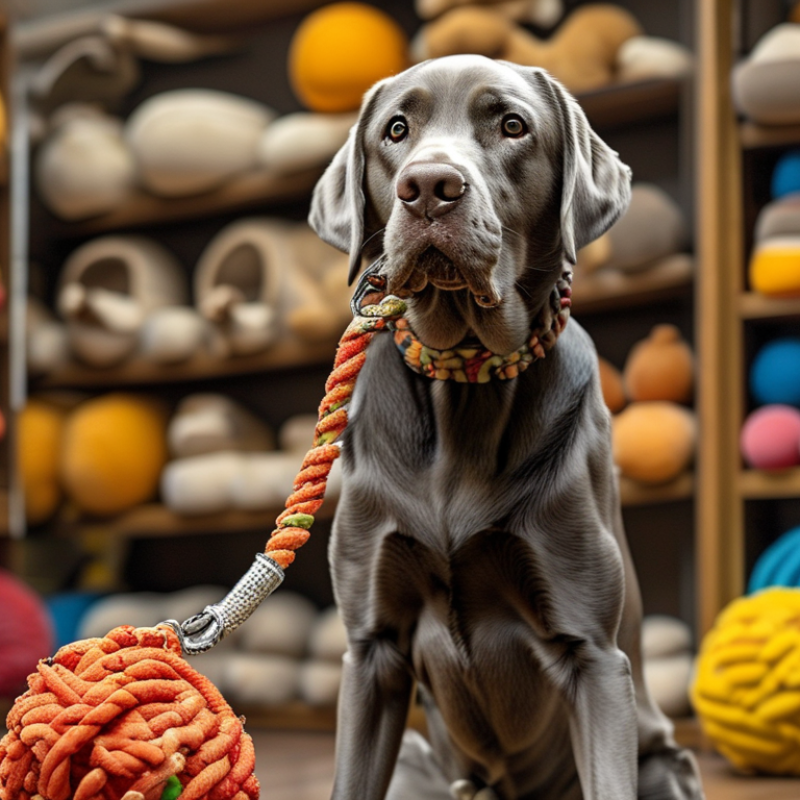
A suitable large-breed dog toy must match more than a dog’s body size. It should match jaw strength, chewing style, and daily energy. The American Pet Products Association’s 2023–2024 National Pet Owners Survey reports 65.1 million U.S. households own dogs. That scale highlights why one “large” label cannot fit every powerful chewer.
Look for a toy that is wide enough to prevent accidental swallowing, yet light enough for controlled carrying. Seams should be reinforced, handles should not twist easily, and detachable parts should be absent. A useful test is simple: inspect the toy after ten minutes of chewing. If cracks, sharp edges, or loose fibers appear, remove it immediately. Hard does not always mean safer. Veterinary dental guidance warns that extremely rigid objects can fracture teeth, especially in strong chewers.
Material quality matters. Choose non-toxic, clearly labeled materials and avoid toys with strong chemical odors. Texture can support enrichment, but it should never replace supervision. The 2023 State of Pet Health Report from a major veterinary network emphasizes that preventive care helps identify dental and weight problems early; toy choices should support those needs, not hide them. Rotate several shapes to reduce boredom. I still think durability claims deserve skepticism. No toy is indestructible. Large breeds can destroy a “heavy-duty” product within minutes, so owners should check wear before every play session.
Large dogs need more than oversized toys. They need toys matched to their habits, jaw strength, and daily energy. The American Pet Products Association’s 2023–2024 National Pet Owners Survey recorded 65.1 million U.S. dog-owning households. That scale reflects a growing need for practical enrichment, not decorative products.
Power chewers often prefer thick rubber toys with few detachable parts. Fetch-driven dogs benefit from large floating balls or reinforced flying discs. Strong tug players need wide, comfortable handles and flexible materials. Food-motivated dogs may enjoy durable puzzle feeders that release small portions slowly. Grand View Research’s pet toys market report identifies enrichment and interactive play as important growth areas through 2030. Still, size alone does not guarantee safety. A huge toy can remain unsuitable for an aggressive chewer.
My early mistake was choosing the toughest toy available. My dog ignored it because the shape felt awkward. A better test is simple: observe whether the dog carries, pulls, chews, or solves. Rotate two or three toy types weekly. This can reduce boredom, although some dogs still reject excellent designs. Always supervise powerful chewers, especially during the first use.
Large dogs need toys designed for force, not just size. In my experience, the best options have thick walls, rounded edges, and no easily detached parts. Choose rubber or tightly woven materials made for heavy chewing. Avoid brittle plastic, thin rope, and toys with glued decorations. A toy should feel solid without being dangerously hard. If you cannot press it slightly with a fingernail, it may damage teeth.
Safety depends on supervision. Inspect the toy before each use, especially around seams and openings. Remove it when cracks, sharp edges, or loose threads appear. Huge toys can still become choking hazards. The right size should be too large to fit fully inside your dog’s mouth. Always match the toy with your dog’s chewing style, weight, and bite strength. Veterinary professionals often recommend rotating several safe toys, which reduces boredom and uneven wear.
I sometimes choose a toy that seems nearly indestructible, then discover damage within days. That mistake is useful information. Durability is never permanent. Watch how your dog plays, not only the package description. Squeakers may encourage focused chewing, but they can become dangerous if exposed. Puzzle toys should release treats without forcing your dog to bite narrow gaps. A safer toy may look less exciting, yet it can protect teeth, gums, and your furniture.
Large dogs need toys built for leverage, not just weight. Choose thick natural rubber, tightly woven rope, or reinforced fabric with strong stitching. Rubber should feel firm but slightly flexible, helping it resist powerful chewing without becoming dangerously hard. Avoid brittle plastic and thin seams. A giant dog can split them within minutes. The best materials are also easy to wash, especially after outdoor play. Odor matters more than many owners expect.
Size is equally important. A toy should be larger than your dog’s mouth when fully opened, reducing swallowing risks. For fetch, select a ball that cannot pass behind the back teeth. Oversized handles can support tugging, but they should not encourage violent twisting. Useful features include textured surfaces, hollow centers for food stuffing, and high-contrast colors for grass or dim rooms. No toy is truly indestructible. That promise deserves skepticism.
Tips: Watch the first play session closely. Check for cracks, loose threads, sharp edges, or missing pieces after every use. Replace damaged toys promptly. Rotate several shapes to reduce boredom and uneven wear. My practical preference is a slightly heavier toy for outdoor games, but not one that strains the dog’s jaw or neck. Dogs differ, and even a well-chosen size may prove unsuitable after real play.
Large-breed dogs need toys that match their bite strength, body weight, and play style. The American Pet Products Association reported 65.1 million U.S. households owned dogs in 2023–2024. That scale makes toy hygiene a serious care issue, not a minor chore.
Inspect every toy before play. Check seams, handles, squeakers, stuffing, and rubber for cracks or loose pieces. A toy can look safe while hiding a sharp split inside. Remove it immediately if pieces break away, stuffing leaks, or the material stays damp. For rope toys, trim loose fibers carefully. Do not let a dog swallow them. CPSC injury surveillance continues to identify detachable parts and choking hazards as recurring product concerns.
Clean washable toys after heavy chewing, outdoor use, or visible dirt. Mild detergent and warm water usually work well, but rinse thoroughly. Dry every seam completely. Damp stuffing can develop an unpleasant smell quickly. Hard toys need special attention around grooves and bite marks. I used to inspect only the surface. That was not enough. Now I press flexible areas and examine them under bright light. Replace heavily damaged toys rather than trying to repair them with loose thread or weak adhesive. Veterinary safety guidance from AAHA also supports removing damaged toys and supervising vigorous play. A perfect schedule does not exist. Chewing intensity changes, and owners sometimes miss early wear. That is why inspection should happen before each session.
| Toy Type | Best Use | Suitable Dog Size | Recommended Design and Materials | Cleaning Method | Inspection Schedule | Replace When | Key Safety Check |
|---|---|---|---|---|---|---|---|
| Large Rubber Treat-Dispensing Toy | Food enrichment, quiet chewing, and mental stimulation | Large and giant breeds; select a toy larger than the dog’s mouth and appropriate for the dog’s weight | One-piece, flexible natural or food-grade rubber; avoid small detachable parts and narrow openings | Rinse after every use. Wash with warm water and mild dish soap. Use a bottle brush for the cavity, then air-dry completely | Before every use; examine the opening, seams, and deep grooves weekly | Deep cracks, torn edges, missing pieces, a permanently enlarged opening, or a surface that becomes sticky or brittle | The toy must not fit fully inside the dog’s mouth or be small enough to lodge in the throat |
| Oversized Rope Tug Toy | Interactive tugging and supervised retrieve games | Large dogs with strong jaws; choose a rope thick enough that it cannot be swallowed | Thick, tightly woven cotton or similarly durable fiber with secure knots; avoid loose loops and plastic handles | Hand-wash or machine-wash if the care instructions allow. Rinse thoroughly and dry fully to reduce odor and microbial growth | Before and after each play session; check fraying and knots frequently | Long loose strands, unraveling knots, swallowed fibers, severe staining, or a reduced diameter caused by wear | Use only for supervised play. Remove the toy if the dog begins chewing and pulling out fibers |
| Large Rubber Fetch Ball | Fetch, outdoor exercise, and controlled play | Large and giant breeds; the ball should be wider than the dog’s open jaw | Solid or thick-walled rubber with no removable plug, button, or exposed squeaker | Wash with warm water and mild soap after outdoor use. Rinse and dry before storage | Before every game; check for punctures, cuts, and compression damage | Any puncture, split, sharp edge, loss of shape, or reduction in size that could allow swallowing | Do not use smooth balls near stairs, roads, or slippery surfaces where chasing may cause injury |
| Heavy-Duty Food Puzzle | Slow feeding and problem-solving activities | Large dogs that can use the puzzle without lifting or breaking it apart | Thick, non-toxic plastic or rubber with rounded edges, stable construction, and no easily removed pieces | Disassemble only as intended. Wash food-contact parts after each use and dry hidden channels completely | Before every use; inspect hinges, covers, sliding parts, and food compartments weekly | Broken parts, sharp edges, loose components, cracks that retain food, or pieces that can be chewed off | Use appropriate food portions and supervise the first several sessions to ensure correct use |
| Large Durable Chew Toy | Chewing activity and redirection from household items | Large dogs with moderate to strong chewing habits; hardness should match the dog’s chewing style | Flexible or slightly yielding material with rounded ends; avoid extremely hard objects that do not give under pressure | Follow the material instructions. Wash non-porous toys with warm water and mild soap; do not use harsh chemicals | Inspect before every chewing session; rotate toys and assess wear at least weekly | Splits, sharp projections, large gouges, detached pieces, or a size small enough to swallow | If the toy cannot be marked slightly with a fingernail, ask a veterinarian about safer alternatives for the dog |
| Large Treat Ball | Rolling enrichment and portion-controlled feeding | Large and giant breeds; use a diameter that prevents the ball from entering the mouth | Thick rubber or durable food-safe plastic with a secure, easy-to-clean opening | Empty leftover food immediately. Wash the interior with warm water and a narrow brush, then dry thoroughly | Before each use; inspect the dispensing hole, cap, and outer surface weekly | Loose cap, cracked shell, blocked opening, sharp edges, or food residue that cannot be removed | Use dry or moist foods suitable for the toy and avoid leaving perishable food inside for long periods |
| Large Plush Comfort Toy | Gentle carrying, comfort, and low-intensity indoor play | Large dogs that do not routinely destroy fabric toys | Double-stitched fabric with minimal decoration; avoid plastic eyes, beads, bells, and easily detached accessories | Machine-wash only when permitted. Use mild detergent, rinse well, and dry completely before returning it to the dog | Before every use; check seams, stuffing, labels, and any attached parts daily for destructive chewers | Torn seams, exposed stuffing, missing squeaker, detached decorations, or fabric that can be swallowed | Remove immediately if the dog tears open the toy or consumes fabric, stuffing, or internal parts |
| Large Floating Fetch Toy | Supervised water retrieval and outdoor play | Large dogs that can retrieve safely without swallowing the toy | High-visibility, buoyant rubber or closed-cell foam; choose a large shape that is easy to grip but not easy to swallow | Rinse with fresh water after every swim to remove chlorine, salt, dirt, and algae. Dry fully before storage | Before and after each water session; check flotation and surface damage weekly | Loss of buoyancy, punctures, peeling layers, water trapped inside, or a size reduction | Water play requires constant supervision. Avoid stagnant water and rinse the dog and toy after swimming |
| Large Flirt Pole or Chase Toy | Short, controlled exercise and impulse-control training | Large dogs with suitable joints and no exercise restrictions from a veterinarian | Strong handle, flexible pole, and securely attached lure; use a lure large enough to prevent swallowing | Wipe the handle and pole with mild soapy water. Wash the lure according to its material and dry it completely | Before every session; inspect the cord, attachment point, pole, and lure after each use | Frayed cord, loose attachment, cracked pole, damaged handle, or a detached lure | Keep movements low and controlled; avoid sudden twisting, jumping, and repetitive sharp turns |
| Large Interactive Tug Ring | Two-person tug games and reward-based training | Large dogs that can release on cue and play under supervision | One-piece flexible rubber or thick woven material with a large central opening and no hard sharp edges | Rinse after outdoor play. Wash with mild soap when visibly dirty, then air-dry before storage | Before every session; inspect the ring, handles, seams, and bite marks weekly | Cracks, broken sections, stretched openings, sharp edges, or any loose material | Do not jerk upward or use the toy to lift the dog; stop play if the dog shows pain, fatigue, or guarding behavior |
Choose thick rubber with rounded edges and few detachable parts. The toy should bend slightly under a fingernail. Not rock-hard. Supervise early use and inspect cracks after play.
Select a toy larger than the dog’s fully opened mouth. A fetch ball should not pass behind the back teeth. Size alone is not enough.
Large floating balls and reinforced flying discs suit dogs that chase and retrieve. Pick high-contrast colors for grass or dim rooms. Check the toy after every outdoor session.
Look for wide handles, comfortable grips, flexible materials, and strong stitching. Avoid handles that encourage violent twisting. A controlled pull is safer than sudden neck strain.
Durable puzzle feeders can release small food portions slowly. Openings should not force narrow, aggressive biting. Watch the first session carefully.
Avoid brittle plastic, thin rope, weak seams, and glued decorations. These parts may split, loosen, or create sharp edges. Thin materials fail quickly.
Inspect seams, openings, surfaces, and threads before each use. Remove the toy when cracks, sharp edges, or loose pieces appear. Replace damaged toys promptly.
Rotate two or three safe shapes weekly to reduce boredom and uneven wear. Observe whether the dog carries, pulls, chews, or solves. Some excellent toys still get rejected.
No toy remains perfect forever. I once chose an extremely tough toy, but my dog damaged it within days. Real play matters more than packaging claims.
Choosing the right Huge Dog Toys for large breeds in 2026 means balancing size, strength, safety, and the dog’s preferred play style. Powerful dogs need toys that are large enough to prevent accidental swallowing, durable enough for pulling and chewing, and engaging enough to support exercise and mental stimulation. Options may include oversized chew toys, tough tug toys, durable fetch items, puzzle toys, and interactive designs for dogs that enjoy problem-solving. Materials should be non-toxic, sturdy, and free from easily detached parts, while the toy’s shape and texture should suit the dog’s jaw strength and activity level.
Owners should inspect every toy regularly for cracks, loose pieces, sharp edges, or excessive wear. Even the strongest Huge Dog Toys should be cleaned according to their material and replaced when damage appears. Selecting the correct size, supervising intense play, and matching the toy to the dog’s chewing habits can help create a safer, more enjoyable routine for giant dogs.

D King